Malisa Font: Elevate Your Small Business Branding
As a small business owner, every visual detail communicates something about your brand. From the logo on your website header to the thank-you note tucked inside a package, typography plays a silent but critical role in how customers perceive your value. Finding a typeface that balances personality with professionalism is often the missing link between a DIY aesthetic and a polished brand identity. Malisa is a stunning and light handwritten font that offers exactly this balance. Its beautiful feel and unique charm provide an accessible way for entrepreneurs to infuse warmth and authenticity into their design assets without sacrificing readability or trust.
Defining the Personality of Malisa
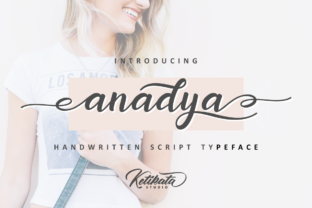
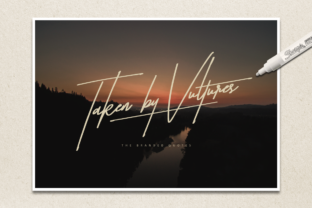
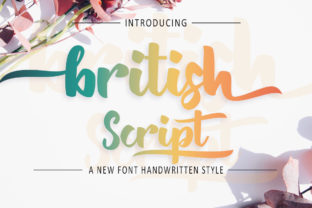
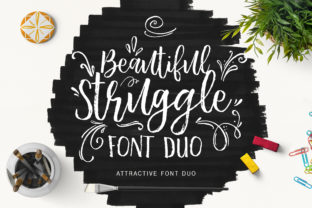
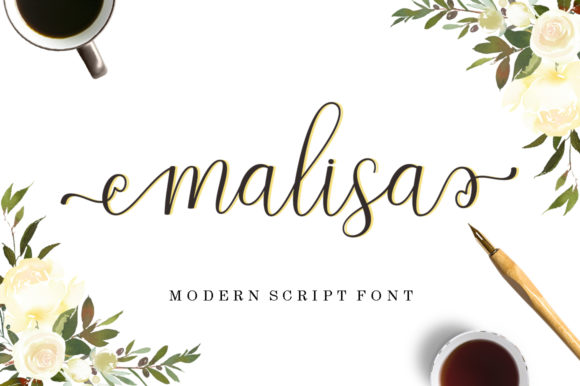
Malisa falls into the category of script fonts, but it distinguishes itself through a delicate, airy quality that many heavier display fonts lack. As a handwritten font, it mimics the natural flow of human writing, creating an immediate emotional connection with the viewer. For business owners, this is invaluable. It suggests that there are real people behind the brand, not just a faceless corporation. The strokes are refined rather than messy, making it feel intentional and premium. This modern typography style works exceptionally well for brands that want to appear approachable yet sophisticated, such as boutique shops, artisanal bakeries, beauty lines, or creative coaching services. It carries a mood of effortless elegance that can soften corporate messaging or elevate handmade products.
Practical Applications Across Business Touchpoints
The true test of any creative font is its versatility across real-world applications. Malisa shines when used as a strategic accent rather than a workhorse text. Here is how you can practically implement this typeface across your customer-facing materials:
- Logo Design and Wordmarks: Malisa’s distinct letterforms make it an excellent candidate for primary logos or secondary wordmarks. Its light weight ensures it looks elegant on business cards and social media profile pictures without appearing cluttered.
- Packaging Design and Product Labels: For handmade candle makers, skincare formulators, or specialty food sellers, packaging is a primary marketing channel. Using Malisa for product names or flavor descriptions adds a bespoke, artisanal touch that justifies a premium price point.
- Social Media Graphics: On platforms like Instagram and Pinterest, stopping the scroll is essential. Use Malisa for headline overlays on quotes, announcements, or promotional graphics. The handwritten style feels native to social feeds, increasing engagement rates compared to standard system fonts.
- Customer Experience Materials: Enhance unboxing experiences by using Malisa on thank-you cards, stickers, or care instruction tags. This consistent use of your brand identity font reinforces recognition and makes customers feel valued.
- Website Banners and Headers: Use Malisa for hero section headlines or featured collection titles. It guides the eye and breaks up the monotony of body text, creating a visual hierarchy that improves user experience.
Building Trust Through Visual Consistency
Consistency is the foundation of brand trust. When your font choices vary wildly between your website, packaging, and social media, it creates cognitive dissonance for the customer. They may subconsciously question the legitimacy or stability of the business. By integrating Malisa as a core component of your brand identity, you create a cohesive visual language. This does not mean using it everywhere; rather, it means using it predictably. Perhaps Malisa is always used for sale announcements, or always used for product titles. This repetition builds familiarity. Over time, customers will associate that specific light, handwritten aesthetic with your quality and service. For service providers like wedding planners or photographers, this consistency signals attention to detail and reliability.
Readability and Strategic Placement
While Malisa is undeniably beautiful, practical business design requires legibility. Script Amp fonts and handwritten styles can sometimes struggle at small sizes or on low-resolution screens. To maintain professionalism, reserve Malisa for display purposes. It is ideal for headlines, logos, and short phrases. Avoid using it for long paragraphs, legal disclaimers, ingredient lists, or navigation menus. On mobile devices, where screen real estate is limited, ensure the font size is large enough to prevent the thin strokes from disappearing. Always test your designs in context before printing or publishing. Print a product label at actual size to check legibility, or view your Instagram graphic on a phone rather than a desktop monitor. If the text requires squinting, switch to a supporting typeface for that specific element.
Effective Font Pairing Strategies
Malisa cannot carry a brand alone. It needs a reliable partner to handle functional text. Successful font pairing creates contrast and hierarchy. Because Malisa is a light, expressive script, it pairs best with clean, structured typefaces.
- Pair with a Sans Serif Font: A geometric or neo-grotesque sans serif font provides a modern, neutral backdrop that lets Malisa shine. This combination is perfect for tech-adjacent creatives, modern boutiques, and minimalist lifestyle brands. The stark contrast between the organic script and the rigid sans serif creates dynamic visual interest.
- Pair with a Serif Font: For a more traditional, heritage, or luxury feel, pair Malisa with a classic serif font. This combination evokes nostalgia and craftsmanship, making it ideal for cafes, bookstores, florists, or heritage goods sellers. The serif handles body copy with authority while Malisa adds decorative flair.
When pairing, ensure the x-heights and general proportions feel harmonious. The goal is for the two fonts to look like they belong to the same family of design assets, even if they come from different foundries.
Licensing and Commercial Considerations
Before integrating Malisa into your business operations, understanding licensing is non-negotiable. Fonts are software, and like any business tool, they must be properly licensed for their intended use. Check the specific license agreement provided by the creator or marketplace. A personal use license typically does not cover commercial activities such as selling products, creating client work, or monetized content. If you plan to use Malisa on merchandise for sale, in templates you intend to sell, or in digital downloads, you likely need a commercial font license or an extended license. Investing in the correct license protects your business from legal issues and supports the type designers who create these valuable tools. Proper licensing is also a mark of professional integrity, demonstrating that you respect intellectual property and operate your business ethically.
Testing Before Full Implementation
Adopting a new typeface is a significant brand decision. Before rebranding entirely, conduct small-scale tests. Create a few social media posts using Malisa and monitor engagement and feedback. Mock up a product label and ask trusted customers or peers for honest opinions on readability and vibe. Does it align with your target audience's expectations? Does it reflect your current pricing tier? Sometimes a font looks perfect in isolation but clashes with existing photography or color palettes. Testing allows you to validate the choice with minimal risk. If Malisa resonates, you can confidently roll it out across your website, packaging, and marketing materials, knowing it will strengthen your brand presence and connect authentically with your customers.